The Egyptian parliament has held two meetings in recent days to discuss President Abdel Fattah al-Sisi’s proposal to provide military support to Saudi Arabia in its efforts to defend itself against attacks launched by Yemen’s Ansarallah militias. No information has so far emerged regarding the substance of the discussions held behind closed doors, and a parliamentary vote on the proposal is expected next week. President al-Sisi, however, has addressed the issue, stating that any Egyptian military involvement would be strictly defensive in nature. Its purpose would be to help protect Saudi cities and oil infrastructure, without entailing attacks in Yemen or any deployment of Egyptian forces on the ground in the conflict against the Houthi militias.
President al-Sisi’s proposal to assist the Saudi government at this difficult juncture in its confrontation with Yemen’s rebel militias is motivated both by political expediency—particularly in view of the substantial economic interests underpinning bilateral relations—and by broader security considerations. From Cairo’s perspective, the threat is indirect but significant: a potential reduction in maritime traffic through the Red Sea could ultimately affect traffic through the Suez Canal.
At the same time, however, al-Sisi’s position has prompted divergent perceptions and assessments within Egypt, particularly among the armed forces. Within the military establishment, memories remain vivid of the heavy human toll Egypt incurred during the Yemeni Civil War in the early 1960s, when President Gamal Abdel Nasser decided to deploy a contingent of 70,000 troops. Paradoxically, the intervention was intended to support the republican forces against the royalists, who were themselves backed by Saudi Arabia.
What President Nasser had anticipated in 1962 would be a short military campaign instead dragged on until 1967 and ended in a crushing defeat. In fewer than five years, Egypt lost an enormous number of soldiers, with estimates ranging from 10,000 to 20,000 fatalities.
President al-Sisi estimates Egypt’s financial losses resulting from the Yemeni crisis and the renewed Houthi threat to maritime traffic in the Red Sea at US$11 billion, even though Egypt itself is not directly threatened by the Yemeni rebels. Saudi Arabia, which is facing evident difficulties in managing both Yemen’s domestic political crisis and military operations in support of the loyalist forces of the internationally recognised government based in Aden, has asked Egypt for military assistance, primarily to counter missile and drone threats targeting major cities and oil facilities along the Red Sea coast.
This request is also underpinned by the approximately US$25 billion Riyadh has invested in support of Egypt’s increasingly fragile economy. In addition, Saudi Arabia has placed substantial cash deposits—amounting to US$10.3 billion—with the Central Bank of Egypt in an effort to shore up confidence in the Egyptian currency, whose stability remains precarious.
Against this backdrop, President al-Sisi believes he cannot refuse Saudi Arabia’s request for military assistance without risking damage to Egypt’s economic interests. The country’s military leadership, by contrast, has made little secret of its view that any operation in the region would entail substantial risks.
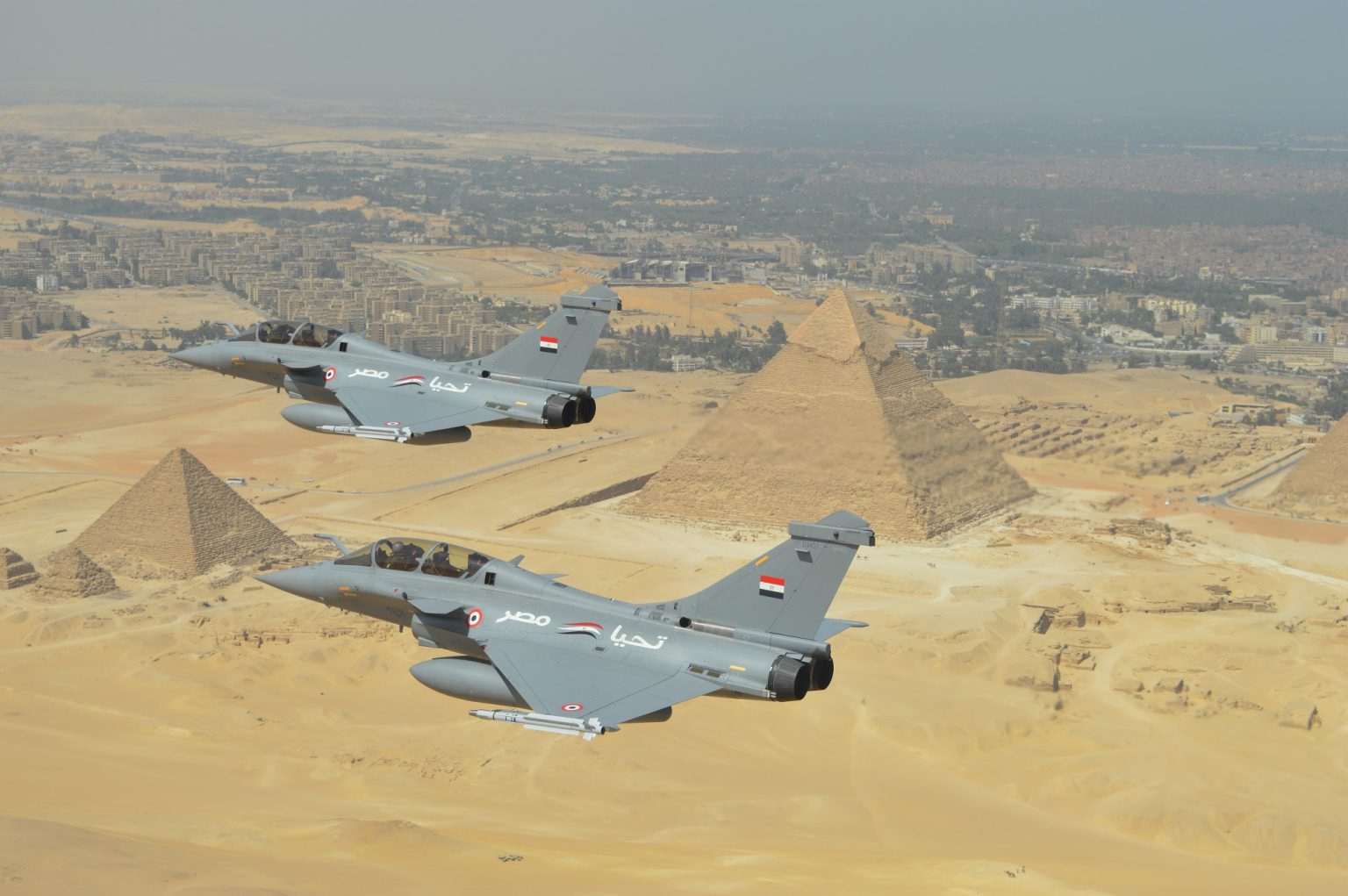
It is therefore no coincidence that parliamentary deliberations are being prolonged under conditions of strict confidentiality. The armed forces are reportedly insisting on the explicit exclusion of any deployment of ground troops, whether in Yemen or in Saudi Arabia. Instead, a potential compromise appears to be taking shape around the deployment of a limited number of Egyptian Air Force units, to be employed exclusively in defensive operations protecting Saudi cities and infrastructure and confined to Saudi airspace.
Although the experience of Yemen’s civil war in the 1960s has largely faded from the collective memory of Western countries, it remains a vivid and traumatic episode in Egypt’s historical consciousness, particularly within the military establishment. The conflict is frequently remembered as “Cairo’s Vietnam”.
Egyptian military leaders and leading scholars continue to warn of the risk that renewed involvement could gradually expand the scope of Egypt’s role, potentially triggering a regional military crisis that the country’s security establishment has no intention of confronting.
The lesson of the 1960s therefore remains clear in Egypt’s strategic narrative: entering a conflict initially in a limited and peripheral capacity may be relatively easy, but withdrawing can become a far more complex and costly undertaking. Should the confrontation between Saudi Arabia and Ansarallah evolve in an unexpected direction, Egypt could face the very real prospect of becoming more deeply involved and once again being drawn into a conflict that has repeatedly demonstrated its unsustainability from a military standpoint.