The inauguration of the new U.S. president, Donald Trump, was characterized by the willingness to demonstrate to the American voters, above all, his intention to immediately maintain an agenda as intense as sensational, which was also strongly oriented toward changing the dynamics of U.S. foreign policy.
Trump’s election campaign, in this regard, has been characterized by a narrative geared toward advocating the need to resolve major ongoing international conflicts, not to engage America in new war adventures, while strengthening the country’s military capacity in order to increase deterrence and restore an international order capable of fostering the strong recovery of the U.S. economy.
A program that in tone and intentions strongly traces the one that accompanied the first-term election campaign, through the slogan of “make America great again,” but which is now part of a profoundly changed global context, which the new administration will have to take into account as it attempts to implement the many initiatives announced by the new president.
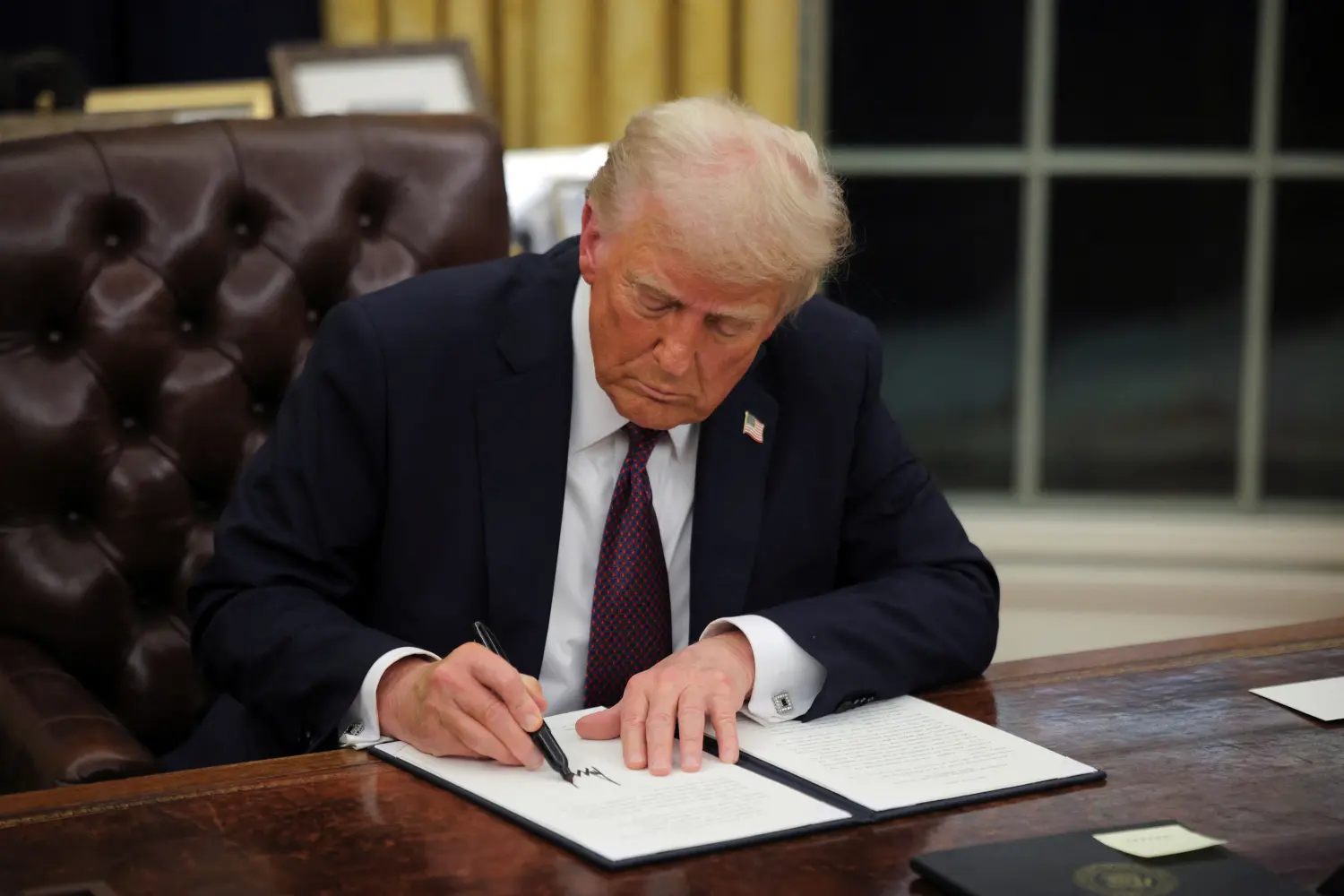
This policy posture was thus marked by the new president’s sensationalism on his first day in office at the White House, where dozens of measures were signed and nearly 80 of former President Biden’s provisions were rescinded, with a strong apparent impact on U.S. foreign policy dynamics as well.
Among the measures of greatest interest, particular mention may be made on the announcement of the introduction of 25 percent tariffs on imports from Canada and Mexico (although announced as likely to be implemented as of next February 1), the U.S. exit from the Paris Climate Agreement and the World Health Organization, and the mobilization of available National Guard reserves to deal with what has been described as the emergency on the border with Mexico and a threat to American sovereignty. Measures, these, which are strongly characterized as having significance, and producing effects, primarily in the context of U.S. domestic politics and the areas of the country’s immediate geographic proximity.
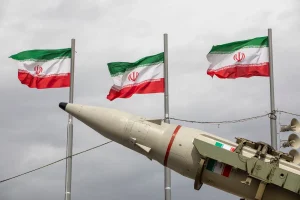
Trump, however, has also made decisions with a broader geographic impact, as evidenced by the lifting of sanctions against violent Israeli settlers, the announcement of his intention to meet with Russian President Putin as soon as possible to address the issue of the conflict in Ukraine, the resumption of dialogue with Saudi Arabia to facilitate the normalization of relations with Israel, the dialogue with China on issues related to global economy and security in the Indo-Pacific, in addition to rumors – without any official confirmation – of an opening to Iran to redefine an agreement on the nuclear program.
An agenda as broad as it is spectacular through the speed of execution that the president has been willing to impart, which will now, however, have to contend with a very different international context from the one that had characterized Trump’s first presidential term, imposing an implementation capacity that is unlikely to derive from the sole determination of the U.S. government.
President Trump, moreover, seems to be well aware of the scant weight that international policy assumes within the U.S. domestic public debate, where, on the contrary, national economy and social dynamics that divide the Democratic and Republican electorate are predominant. These priorities, therefore, are sustained through an instrumentalization of intervention on international politics, thereby turning it into the means and not the end of the Trump administration’s political action.
The main limitation of this approach to international policy, therefore, is that related to the need to generate expendable effects on the level of U.S. domestic policy, which nonetheless risk lacking real substance on the practical level, failing to achieve those goals that President Trump himself assured he wanted to achieve during the election campaign.
The sensationalization of foreign policy and the need to achieve expendable results within the U.S. domestic political environment, therefore, risk leading to compromise solutions without real effectiveness, lacking the capacity for crisis resolution, increasing the frustration of key counterparts – both allied and hostile – and potentially resulting in a more rigid crystallization of the ongoing crises.
A further element of concern, finally, especially within European and Asian countries, is that of a perception of President Trump’s U.S. foreign policy as totally – or at least largely – disinterested in any form of sharing or cooperation in order to find compromise solutions aimed at satisfying even some of the non-U.S. demands. A position that, if it were to really substantiate in this form, would risk severely undermining the trust of even the main partners of the United States.